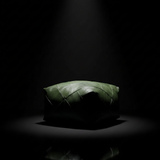

A Moroccan leather pouf is designed to be used and lived with.
Natural leather can develop character over time, but maintaining that character requires a few simple habits. Regular dusting, appropriate conditioning, protection from excessive moisture and sunlight, and proper storage can help keep a leather pouf supple and attractive for years.
This guide focuses specifically on caring for and maintaining a Moroccan leather pouf — from everyday cleaning to long-term storage and the natural evolution of the leather.
If your pouf arrives unstuffed, see our separate complete guide to stuffing a Moroccan pouf for detailed instructions on choosing filling materials and achieving the right firmness.
Everyday Care
For routine maintenance, keep the leather surface free from dust and loose dirt with a clean, soft cloth.
For light surface soiling, you can use a slightly damp cloth, followed immediately by a dry cloth.
The important principle is simple:
Use as little moisture as possible.
Avoid applying soap, detergent or household cleaning sprays directly to natural leather. These products may affect the surface and can contribute to drying or discolouration.
Regular gentle cleaning is preferable to occasional aggressive cleaning.
How to Condition a Moroccan Leather Pouf
Natural leather benefits from occasional conditioning.
As a general maintenance routine, condition the leather approximately every six to twelve months, depending on the environment and how frequently the pouf is used.
Use a leather conditioner specifically formulated for natural leather.
How to apply it
- Remove dust from the pouf with a soft cloth.
- Apply a small amount of conditioner to a clean cloth.
- Work it gently into the leather using light circular motions.
- Allow the conditioner to absorb according to the product instructions.
- Buff the surface gently with a clean cloth.
Always test a new conditioning product on a small, inconspicuous area first.
Different leathers, dyes and finishes can react differently to conditioning products.
How to Deal With Spills
If liquid is spilled on the pouf, act quickly.
Do:
- blot the liquid with a clean, dry cloth;
- work gently;
- allow the leather to dry naturally.
Do not:
- rub aggressively;
- soak the leather;
- use a hairdryer or direct heat;
- apply household cleaning products without checking that they are suitable for the leather.
Rubbing can spread a stain and push moisture further into the leather.
For a serious or persistent stain, a professional leather cleaner is safer than aggressive experimentation at home.
What Should You Avoid?
Several environmental conditions can shorten the life of natural leather.
Excessive moisture
Leather should not be saturated with water.
Avoid placing a leather pouf where it can regularly be exposed to rain, spills or damp conditions.
Direct sunlight
Prolonged exposure to strong sunlight can affect leather colour and may accelerate drying.
A pouf can certainly be used in a naturally lit room, but avoid leaving it for extended periods in intense direct sunlight.
Direct heat
Keep leather away from radiators, fireplaces, heaters and other strong heat sources.
Rapid drying can affect the leather's suppleness and surface.
Harsh cleaning products
Avoid:
- household detergents;
- bleach;
- alcohol-based household cleaners;
- abrasive products;
- untested leather treatments.
When in doubt, use a product specifically intended for natural leather and test it first.
How to Store a Moroccan Leather Pouf
If you need to store your pouf for an extended period, choose a:
- cool;
- dry;
- clean;
- well-ventilated environment.
- Avoid airtight plastic bags for long-term storage.
Leather benefits from ventilation, while trapped moisture can create problems inside an enclosed container.
A breathable cotton dust bag or pillowcase is a better option.
Do not store the pouf in a damp basement, humid storage room or other environment where moisture levels are high.
What Happens to Leather Over Time?
One of the characteristics of natural leather is that it changes with use.
Depending on the leather, colour and finish, you may notice:
- deeper colour;
- increased softness;
- subtle surface sheen;
- small variations in tone;
- additional marks associated with use.
This gradual evolution is commonly described as patina.
It should not automatically be interpreted as deterioration.
A natural leather object is not expected to remain visually identical to the day it was made.
Its surface records its use.
Natural Colour Evolution
Light or undyed leather may darken gradually with handling and exposure to light.
Dyed leather may also mellow over time.
This evolution can be particularly noticeable on natural leather because the surface remains visually connected to the material itself rather than being completely uniform.
For this reason, slight differences between two leather poufs should not necessarily be regarded as defects.
They can be part of the natural variation of the material.
However, uneven fading, cracking or severe drying is different and may indicate excessive exposure to sunlight, heat or unsuitable care.
How to Keep the Shape of Your Pouf
Leather care is only one part of maintaining a pouf.
The filling also affects its long-term appearance.
Over time, filling materials can compact, causing the pouf to lose some of its volume.
If this happens, open the zip and redistribute or add filling as necessary.
For detailed instructions, including filling materials, quantities and techniques, see our complete guide to stuffing a Moroccan pouf.
Using a Moroccan Pouf in Your Home
A leather pouf can serve several functions in a contemporary interior.
It can work as:
- a footrest beside a sofa or armchair;
- occasional low seating;
- a flexible accent piece;
- a low table when paired with a suitable tray;
- a decorative object.
Its low profile makes it particularly suitable for relaxed living spaces and informal seating arrangements.
The leather surface also means that the pouf itself contributes texture and material character to the room.
To explore Moroccan Corridor's collection, see our Moroccan Leather Poufs & Ottomans.
Long-Term Care: A Simple Routine
You do not need an elaborate maintenance programme.
A simple routine is enough:
Regularly
Dust gently with a soft cloth.
When necessary
Deal with spills immediately by blotting.
Every 6–12 months
Condition the leather with an appropriate leather conditioner.
Occasionally
Check the filling and restore the shape if necessary.
Always
Protect the pouf from prolonged moisture, intense direct sunlight and strong heat.
The goal is not to keep the pouf looking permanently new.
The goal is to allow the leather to age well.
Frequently Asked Questions
How do I clean a Moroccan leather pouf?
For routine cleaning, wipe the surface with a clean, dry cloth. For light soiling, use a slightly damp cloth followed immediately by a dry one. Avoid soaking the leather and do not use household detergents or cleaning sprays directly on the surface.
How often should I condition a Moroccan leather pouf?
As a general guideline, condition natural leather approximately every six to twelve months. The ideal frequency depends on the leather, environment and amount of use. Always test a new conditioner on a discreet area first.
Can I wash a Moroccan leather pouf?
No. Do not machine-wash or submerge a leather pouf. Water can affect the leather as it dries and may damage decorative elements. Clean the surface with a dry or slightly damp cloth and treat stains with an appropriate leather product.
What should I do if I spill water on my leather pouf?
Blot the liquid gently with a clean, dry cloth. Do not rub or saturate the leather. Allow it to dry naturally away from direct heat.
Can I use leather conditioner on an embroidered Moroccan pouf?
You can use a leather conditioner on suitable leather surfaces, but take particular care around embroidery and decorative elements. Test the product on an inconspicuous area first and follow the conditioner manufacturer's instructions.
Will my Moroccan leather pouf change colour over time?
Natural leather can change colour gradually through use and exposure to light. Light or undyed leather may become darker and develop a patina, while dyed leather may mellow over time. Moderate, natural colour evolution is a normal characteristic of natural leather.
How do I protect my pouf from sunlight?
Avoid prolonged exposure to strong direct sunlight. Natural daylight is not inherently harmful, but sustained intense UV exposure can contribute to fading and drying.
How should I store a Moroccan leather pouf?
Store it in a cool, dry and well-ventilated environment. Avoid damp spaces and airtight plastic bags. A breathable cotton dust bag or pillowcase is suitable for longer-term storage.
What should I do if my pouf loses its shape?
Open the zip and redistribute or add filling. Filling materials can compact naturally with use. For detailed instructions on restoring the shape and choosing filling materials, see our complete guide to stuffing a Moroccan pouf.
Where can I find Moroccan leather poufs?
Moroccan Corridor offers a collection of Moroccan leather poufs and ottomans handcrafted in Morocco. Explore the collection →