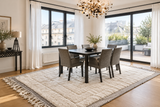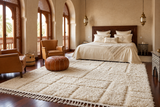

In brief: Create a warm, functional corner by deciding its purpose, grouping seating around that activity, placing useful light near the seat, choosing materials for regular use, giving everyday objects a home, and adding textiles last.
To create a warm, comfortable and functional corner for reading, conversation, tea or quiet evenings, start with what you want to do there. The order is simple: purpose first, then layout, lighting, materials, storage and finally textiles.
A genuinely inviting corner isn't decorated after the fact. It's built in order: decide what it's for, arrange the seating, place useful light nearby, choose materials for regular contact, give everyday objects somewhere to go, and finish with only the textiles that support comfort.
Here is a practical sequence for one corner, with Moroccan-made pieces included only where they serve a clear function.
1. Start With Purpose
Before choosing a single object, decide how the space will be used. A reading nook, an evening spot for tea and conversation, or a place where the family gathers each calls for a slightly different setup. Skipping this step is how a corner ends up looking finished but never getting used.
Write down the one or two things you want to happen there. Every choice that follows—the seat, lighting, nearby surface and storage—should support that purpose rather than simply fill the space.
2. Plan in Zones, Not One Big Area
Once you know the corner's purpose, group the seating, a small surface and the light around that activity instead of arranging everything against the walls. One chair with a side table may be enough; in a shared sitting area, group a sofa and a flexible extra seat into one defined zone.
A leather pouf works particularly well because it can shift between footrest, extra seating and a low surface for a tray without changing the layout of the corner.
3. Place a Lower, Warmer Light Near the Seat
A single overhead light rarely creates the sense of intimacy you want from a corner for reading, conversation or quiet evenings. A lower, warmer source placed near where people sit can make the area feel more contained and inviting. If reading is one of its uses, position the light so it reaches the page without shining into the reader's eyes; choose a dimmable source where the fitting permits.
A hand-pierced metal lantern is one Moroccan craft example of this lighting principle. Start with the task and where the light needs to fall, then choose a fixture that suits the corner. Explore our Moroccan lighting collection.
4. Choose Materials for Regular Use
A corner that gets used often needs materials suited to regular contact and appropriate care. Natural materials can be particularly well suited because many develop character as they age.
A wool rug can soften underfoot with use, while full-grain leather on a pouf can develop character in the places that see the most contact. Choose materials for the wear this corner will actually see; here, durability is a practical requirement, not a buying philosophy.
5. Give Things Somewhere to Go
A corner feels more inviting when the things used there are easy to put away. A book mid-read, a remote or a blanket should have a nearby place to land: a basket beside the seat, a tray on a low table, or a surface that is easy to clear.
The goal is for each everyday object to have an obvious home, so the corner resets in seconds rather than needing a separate tidy.
6. Finish With Textiles, Last
Once the layout and lighting are working, textiles can make the corner feel lived-in rather than merely functional. A couple of cushions in different textures and a woven Moroccan blanket within easy reach are often enough.
A well-made wool blanket can become softer and more characterful with regular use and appropriate care, helping the corner feel increasingly lived-in rather than simply decorated.
Build It in Order
The method is simple: purpose, layout, light, materials, storage, then textiles. Purpose comes before layout; useful light and materials suited to regular use come before anything ornamental; textiles come last, once the corner already works.
The aim is not to style an entire room. It is to make one area comfortable and practical enough for a real routine, and easy to reset when that moment is over.
Frequently Asked Questions
How do I create a comfortable, functional corner at home?
Start by deciding what you want to do there, then arrange the seating, a nearby surface and useful lighting around that activity. Choose materials for regular contact, give everyday objects an easy place to go, and add textiles only when the layout works.
What should I put in a reading corner?
Begin with a seat that suits reading, a light positioned to reach the page without shining into your eyes, and a small surface for a book or tea. Keep everyday essentials close and provide a simple place to return them.
What lighting works best in a small seating corner?
A lower, warmer light near the seat can make a corner feel more contained than relying only on overhead light. For reading, position it to illuminate the page comfortably; use a dimmable source where the fixture permits.
Can a pouf make a corner more functional?
Yes. A pouf can serve as a footrest, extra seating or, with a tray on top, a low surface. Its flexibility lets one seating zone support different activities without rearranging the room.
How can I keep a seating corner from becoming cluttered?
Give the everyday items used there—a book, remote or blanket—a nearby home, such as a basket beside the seat or a tray on a low table. An easy-to-reach place helps the corner reset quickly.
When should I add cushions and a blanket?
Add them after the seating layout and lighting are working. A few cushions and a blanket within reach can add support and warmth; choose them for comfort and regular use rather than to build a decorative display.
For a broader guide to composing Moroccan decorative elements, see our Moroccan Decor guide.
A corner built for daily life
Find the pieces that make it work.
Explore Moroccan home pieces, then choose the seat, light and textiles that support how you want to use your corner.
Explore Moroccan Home Decor