
☰ Contents
Use one strong foundation, layer texture before adding more pattern, repeat colour rather than motifs, and let handcrafted objects sit comfortably beside contemporary furniture. The aim is not to recreate a traditional room. It is to make a room feel warm, tactile and considered.
Moroccan decor is less a catalogue of recognisable objects than a way of composing atmosphere. It brings together the warmth of natural materials, the irregularity of handwork, the comfort of layered textiles and the intimacy of carefully placed light.
Moroccan decor is not about reproducing a traditional Moroccan room. It is about using Moroccan materials, objects and decorative languages to create atmosphere.
This guide is about styling: how to choose a visual starting point, combine Moroccan textiles, use colour and pattern with restraint, and bring handcrafted pieces into contemporary homes without turning the room into a theme.
What Defines Moroccan Decor?
Moroccan decor is built through material richness, handcrafted objects, tactile texture, controlled pattern, layered lighting and a strong sense of hospitality. Its most compelling rooms allow old craft traditions and contemporary living to sit together without either one becoming a prop.
The result does not need to be elaborate. A wool rug, a leather pouf, a group of cushions and one warm light source can establish the language more effectively than a room filled with disconnected references. Composition matters more than quantity.
Moroccan decorative language has been shaped by Amazigh, Arab-Islamic, Andalusian, Jewish and sub-Saharan African histories, among others. Those influences do not produce one fixed Moroccan style. They form a layered visual culture expressed differently through architecture, textiles, leather, metal, wood and ceramics. For the history, architecture and cultural influences behind Moroccan interior design, see the Complete Guide to Moroccan Interior Design.
The Building Blocks of Moroccan Decor
Rugs
A Moroccan rug often provides the visual foundation of a room. It establishes scale, softens the floor and gives the rest of the palette somewhere to begin. Choose the rug’s size, colour and pattern before adding smaller decorative elements. A quieter rug can support expressive cushions; a more graphic rug may need a calmer surrounding layer.
For regional traditions, construction and choosing the right rug, see the Complete Guide to Moroccan Rugs.
Cushions & pillows
Cushions bring the styling layer to sofas, beds, benches and floor seating. Their role is to soften a room and create rhythm through groups of related texture, colour and proportion. Mix a larger square cushion with a lumbar shape and one smaller accent rather than arranging identical covers in a row.
Explore the specialist guide to authentic Moroccan pillows for textile types and construction.
Leather poufs
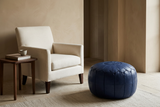
A leather pouf adds weight, flexibility and a low point of focus. Use it as a footrest beside a chair, an informal seat, or a small surface when topped with a tray. One pouf can soften a contemporary room; two or three can create a more social arrangement around a low table.
For materials, forms and care, see the Moroccan Leather Poufs Guide.
Moroccan lighting
Moroccan lighting is most effective when it creates a pool of warmth rather than a single bright centre. A perforated metal lantern can cast movement across a wall, while a low lamp or floor light keeps the room comfortable after dark. Think in layers instead of searching for one spectacular fixture.
Blankets & textiles
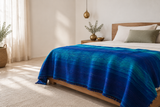
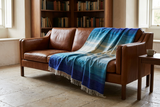
Blankets and throws introduce scale and softness. Fold one over the arm of a sofa, lay it across the end of a bed or use it to temper a leather chair. A textile should look available for use, not displayed like a museum object.
Explore authentic Moroccan blankets and the broader guide to Moroccan textiles.
Decorative objects
Small objects finish a room, but they should not compete for attention. A brass tray, ceramic vessel, carved wood object or woven basket can repeat a material already present elsewhere. Group objects by relationship rather than by origin: similar colour, shared texture or a useful difference in height is usually enough.
How to Layer Moroccan Textiles
Start with one dominant textile
Begin with the textile that carries the greatest visual weight, usually a rug, a large blanket or a substantial cushion arrangement. Let it establish the room’s temperature and scale. The next layers should support it, not compete with it.
Mix textures, not just patterns
Texture creates depth even when the palette is restrained. Combine wool with leather, a dry flat weave with a softer pile, or a slightly lustrous textile with matte cotton. A room can feel richly Moroccan without becoming visually busy when the variety is tactile rather than purely graphic.
Combine plains with motifs
Pattern needs quiet around it. Pair a geometric cushion with a plain wool throw, or place a patterned rug beneath furniture in solid natural tones. Plain surfaces are not empty; they give the handwoven pieces room to be seen.
Use cushions in groups
Three or five cushions often create a more natural composition than two matching pieces. Vary the size and orientation, then repeat one colour or texture so the group feels deliberate. Matching every cover can make a handmade arrangement feel too resolved.
Introduce one statement textile
A single strong textile can carry the room: a richly patterned rug, a sequined Handira-inspired piece, a deep-coloured throw or an expressive cushion. Once that piece is in place, keep the remaining textiles quieter and let the material quality do the work.
How to Use Colour in Moroccan Decor
Neutral Moroccan decor
Ivory, sand, cream and natural leather create a quiet Moroccan foundation. This approach works particularly well when you want texture and craft to lead. Add depth through wool, carved wood, aged metal and shadow rather than introducing many colours.
Warm earth tones
Terracotta, cinnamon, ochre, clay and muted rust bring warmth without demanding the whole room. Repeat one earth tone in two or three places, perhaps in a rug detail, a cushion and a ceramic object. Repetition creates coherence; matching every item does not.
Jewel tones
Indigo, saffron, emerald, garnet and deep blue are most successful when one or two lead. Use them in cushions, glass, a small textile or a painted surface, then keep the architecture and larger furniture quieter. Jewel tones should feel concentrated, not scattered.
Black and ivory
Black and ivory create a graphic, contemporary interpretation of Moroccan decor. The combination works best when softened by natural wool, warm wood or leather. Avoid repeating the same high-contrast motif everywhere; allow the materials to break up the geometry.
One-colour accent strategy
When in doubt, choose one accent colour and let it appear at different intensities. A dusty blue, for example, can move from pale textile to indigo detail to a darker ceramic. The room feels layered because the colour is repeated, not because every pattern matches.
How to Layer Moroccan Patterns
Pattern is a styling tool before it is a historical statement. Moroccan motifs vary by region, material and maker, and no single motif should be assigned one universal meaning. In a room, what matters first is the relationship between scale, repetition and visual weight.
Pair a large geometric rug with smaller, quieter patterns. Keep two strong motifs from sitting directly beside one another unless a plain textile separates them. Use one repeated shape to create continuity, then let the surrounding pieces vary in texture or colour.
The most considered rooms do not display every Moroccan pattern at once. They create a visual rhythm: one dominant composition, one supporting pattern and enough open surface for the eye to rest.
Moroccan Lighting: Creating Atmosphere
Lighting changes the emotional temperature of a room. Moroccan decor is at its best under warm, layered light rather than a single overhead source.
Start with ambient light
Use a warm general glow as the foundation. The light should make wool, leather, plaster and metal feel inviting rather than flattening their differences.
Use several modest sources
A pendant, a wall light, a table lamp and a floor lantern can work together without all being switched on at once. Multiple low-intensity sources create depth and make the room adaptable from early evening to late night.
Let perforated metal create shadow
Pierced metal is valuable because it shapes light as well as producing it. Place a lantern where its shadow can fall across a quiet wall, rather than behind a crowded arrangement of art and objects.
Know when enough is enough
One statement pendant and two supporting sources may be enough for a living room. The aim is not to reproduce the number of fixtures found in a traditional salon. It is to create comfort, shadow and a sense of enclosure.
How to Style a Moroccan Living Room
Start with the rug
Choose the rug before the smaller accessories. Its scale should define the seating area, and its palette should give the room a direction. If the rug is highly expressive, let the furniture and cushions become quieter.
Build the seating layer
Begin with the permanent pieces: sofa, chairs or a low bench. Contemporary seating works well with Moroccan textiles because it gives the handmade elements a clear, modern setting.
Add the pouf
Place a leather pouf where it can be used. Beside a chair, it becomes a footrest; near a coffee table, it becomes flexible seating. Its usefulness keeps the room from feeling staged.
Layer cushions
Use a group of cushions to bring in texture and one or two accents of colour. Vary shape and surface, then leave enough room for the sofa to remain comfortable rather than overfilled.
Add lighting
Introduce one warm pendant or lantern, then add a lower source at seating height. The room should have somewhere for the eye to settle after dark.
Finish with smaller objects
Use a tray, vessel, basket or small metal object to complete the composition. Stop before every surface is filled. Moroccan hospitality is generous, but a beautiful room still needs visual space.
Moroccan Decor in Contemporary Interiors
Moroccan and Scandinavian
Keep the architecture light and let one Moroccan rug, pouf or textile supply warmth and irregularity. Ivory wool, pale wood and a restrained cushion group make the combination feel calm rather than decorative.
Moroccan and Japandi
Choose fewer pieces and focus on hand, texture and proportion. A low leather pouf, a quiet rug and one woven throw can bring depth to the simplicity of Japandi furniture without disturbing its discipline.
Moroccan and Mediterranean
Warm plaster tones, natural fibres and terracotta already share an affinity with Moroccan materials. Introduce Moroccan craft through a rug, lantern or cushion group, then keep the palette sun-washed and relaxed.
Moroccan and contemporary minimalism
Minimal interiors benefit from one object with visible handwork. A sculptural lantern, deeply textured pouf or expressive rug can become the room’s focal point. The surrounding restraint is what gives it authority.
How to Avoid a “Themed” Moroccan Interior
A premium Moroccan interior should feel lived in, not assembled from a checklist. The following principles keep the room connected to Moroccan craft without turning it into a stage set:
- Do not use every Moroccan motif at once.
- Let one piece lead the composition.
- Keep permanent architecture and large furniture relatively quiet.
- Mix Moroccan pieces with contemporary furniture.
- Prioritise material and craftsmanship over decorative clichés.
- Repeat a colour rather than repeating the same motif.
- Leave visual space around the objects that matter.
The most convincing result is rarely the most literal one. It is a room where the objects have been chosen for their material, proportion and presence, not simply because they look recognisably Moroccan.
Moroccan Decor by Room
Living room
Use the rug as the foundation, then build seating, poufs, cushions and warm layered lighting around it. Keep the main composition comfortable and let smaller objects remain secondary.
Bedroom
Begin with textiles: a woven throw, a restrained cushion group and perhaps a small rug beside the bed. Choose softer contrast here than in a social room, and keep lighting low and warm.
Dining room
Let the table and chairs remain functional, then introduce Moroccan character through a pendant, a runner, a ceramic object or a brass tray. One strong light source often does more than a collection of small decorations.
Entryway
An entryway needs one clear gesture: a small rug, a leather pouf, a mirror or a lantern. Keep circulation open. The first impression should be tactile and welcoming, not crowded.
Outdoor and terrace spaces
Use materials that can tolerate the conditions of the space, and bring textiles in when weather changes. Low seating, a durable rug, lantern light and one strong colour can create a Moroccan atmosphere without overdecorating the terrace.
Where to Start: A Simple Moroccan Decor Formula
1 rug + 1 pouf + 3 cushions + 1 light source + 1 decorative object.
For a more restrained look, choose a neutral rug, natural leather, one textured cushion and warm brass lighting. For a richer room, keep the number of objects similar and increase the depth of colour or texture rather than adding more categories.
Once the formula is working, add only what the room needs. A second textile may improve comfort. A tray may give the pouf a new function. Another object may be unnecessary. Editing is part of Moroccan decor.
Questions About Moroccan Decor
What is Moroccan decor?
Moroccan decor is a way of creating atmosphere through natural materials, handcrafted objects, tactile textiles, controlled pattern and layered warm lighting. It can be traditional or contemporary. It is not about reproducing a Moroccan room exactly, but about using Moroccan decorative languages with intention.
How do you style a Moroccan living room?
Start with a rug to establish the scale and palette. Add contemporary or low seating, then introduce a leather pouf, a considered group of cushions and layered warm lighting. Finish with a small number of objects, leaving enough visual space for the main pieces to remain clear.
How do you mix Moroccan patterns without making a room feel busy?
Choose one dominant pattern, support it with a smaller-scale motif and use plain textiles between them. Repeat a colour rather than the same pattern, and vary texture so the room gains depth without accumulating visual noise.
How do you decorate with Moroccan cushions?
Use cushions in groups of three or five, varying their size, shape and texture. Let one cushion lead, then support it with quieter pieces in related colours. Mix textile traditions without making every cover equally bright or equally patterned.
What colours work best with Moroccan decor?
Neutral palettes of ivory, sand, cream and natural leather create a quiet foundation. Terracotta, ochre and cinnamon bring warmth, while indigo, saffron, emerald and deep blue create stronger accents. The most cohesive rooms repeat one colour at different intensities rather than matching every object.
How can I create a Moroccan look without making my home feel themed?
Let one Moroccan piece lead, keep the permanent architecture quiet, mix handcrafted objects with contemporary furniture and prioritise material quality over decorative clichés. Repeating a colour and a texture is usually more sophisticated than repeating a motif.
Can Moroccan decor work with Scandinavian or Japandi interiors?
Yes. Use a small number of Moroccan pieces with strong material presence: an ivory rug, a leather pouf, a woven throw or a single lantern. Their warmth and irregularity can soften the restraint of Scandinavian or Japandi interiors without overwhelming their simplicity.
What is the easiest way to introduce Moroccan decor into a room?
Start with one useful object: a rug, a leather pouf, a group of cushions or a warm lantern. Choose something whose material and scale suit the room, then build around it slowly rather than buying a complete set of matching pieces.
Sources and Further Reading
This article focuses on styling and composition. For cultural context, specialist craft knowledge and purchase guidance, continue with these Moroccan Corridor resources:
- Moroccan Corridor, Complete Guide to Moroccan Interior Design, for history, architecture, materials, objects and design languages.
- Moroccan Corridor, Complete Guide to Moroccan Rugs, for rug traditions, construction and regional vocabulary.
- Moroccan Corridor, Complete Guide to Moroccan Leather, for leather craft and material context.
- Moroccan Corridor, Moroccan Textiles, for woven materials and textile traditions.
- Moroccan Corridor, The Complete Guide to Moroccan Embroidery, for embroidered textile traditions.
Explore Moroccan Home Decor
When you are ready to move from styling to choosing pieces, explore the Moroccan Home Decor collection hub, then browse the categories that shape a room:
Moroccan decor is not a room assembled from symbols. It is a way of letting material, handwork, colour and light create a place that feels generous and alive.