Azilal Rugs
Azilal rugs are among the most expressive objects in the Moroccan textile tradition. Woven by Amazigh women in the High Atlas province of Azilal — in villages scattered across the Aït Bou Gmez valley and the surrounding mountains — these rugs are composed directly on the loom, without a fixed pattern, by weavers making real-time decisions about colour, motif, and composition. The result is a piece that cannot be reproduced. Only found.
Every rug in this collection was selected by hand, in the field, for three qualities: the integrity of its wool, the coherence of its composition, and the individuality of its voice. We passed on many technically accomplished pieces because they felt derivative. The rugs we kept have something to say.
What makes an Azilal rug
The Azilal tradition is defined by its freedom. Where Beni Ourain rugs work within a restrained palette of ivory and dark geometric motifs, Azilal rugs introduce colour — vivid, uncompromising, and deeply personal. Fuchsia pink, cobalt blue, saffron yellow, teal, orange: the palette of the High Atlas in spring, translated into wool.
The motifs are drawn from the Amazigh visual vocabulary: diamonds, nested lozenges, anthropomorphic figures, zigzag lines, arrow forms, Tifinagh-derived symbols. Each one carries meaning within the tradition — protection, fertility, the eye, the feminine principle. Placed freely across the field by the weaver's hand, they form compositions that are asymmetric, improvisational, and entirely individual.
The wool is hand-spun from High Atlas mountain flocks — lanolin-rich, dense, and resilient. The pile is thick. The rugs are built to last for decades, softening and deepening with use.
How to place an Azilal rug
In a minimal interior, an Azilal rug becomes the room's primary visual event. In a layered space, its abstract quality means it coexists well with other patterns and textures. Under furniture, the all-over composition holds up well — the border and exposed field are as strong as the centre. On the wall, the best pieces work as textile art.
Each rug in this collection is listed individually, with detailed photography, exact dimensions, and provenance notes. If you have questions about a specific piece — its wool, its dyes, its origin — write to us. We know these rugs individually and can answer in detail.


Trending Items
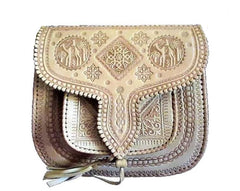
LSSAN Handbag - Large size - Natural - Square
£91
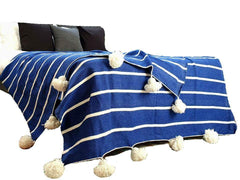
Blue with White Stripes Pom Pom Blanket
£99
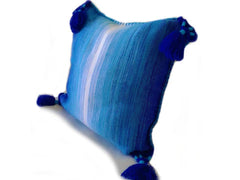
PomPom Cushion Cover from Chefchaouen - Blue Sky
£20
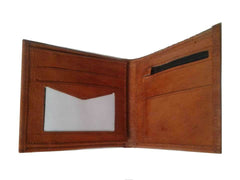
Club Morocco Wallet - Brown Caramel - Mini Wallet - H
£16

LSSAN Handbag - Dark Blue - Palm
£91
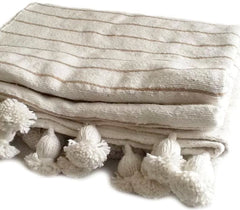
White with Beige Thin Stripes PomPom Blanket
£99
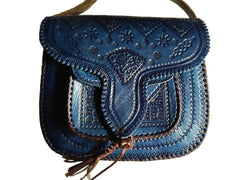
LSSAN Leather Handbag - Dark Blue - Heart
£91
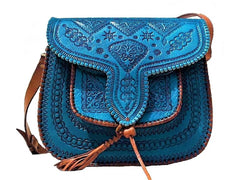
LSSAN Handbag - Turquoise - Heart
£83
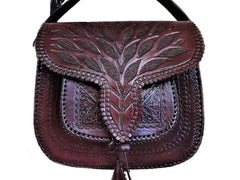
LSSAN Handbag - Brown - Palm
£83
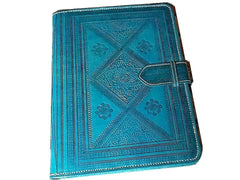
Heritage Portfolio - Turquoise
£91
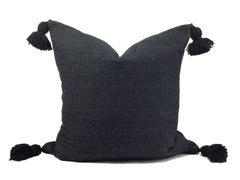
Moroccan Pom Pom Pillow Cover - Black
£27
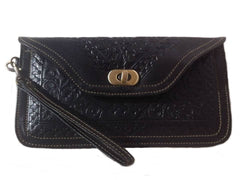
Kharrazine Clutch - Black
£27
Best Sellers
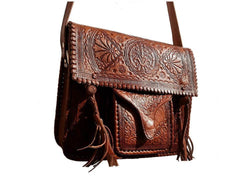
Hippie Leather Shoulder Bag - Brown Caramel
£83
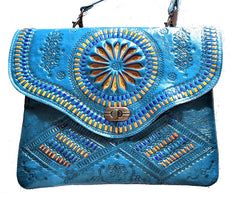
Jeblia - Turquoise Leather Clutch Bag
£61
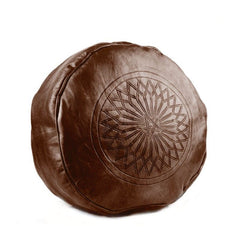
Moroccan Leather Ottoman - Deep Brown Tabouret Pouf
£83
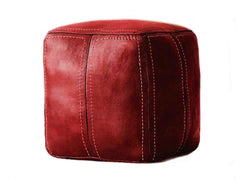
Moroccan Leather Pouf / Ottoman - Square - Red - Aya
£167
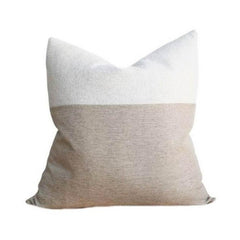
Color Block Pillow Cover - 1/3 White / 2/3 Beige
£27
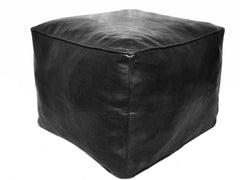
Moroccan Leather Pouf / Ottoman - Square - Black - Sylia
£121
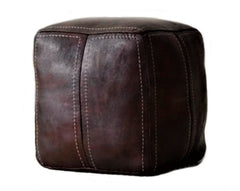
Moroccan Leather Pouf / Ottoman - Square - Brown - Aya
£167
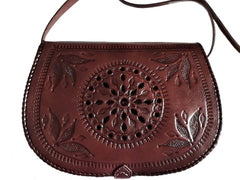
Creation of Marrakesh - Brown Leather Shoulder Bag
£91
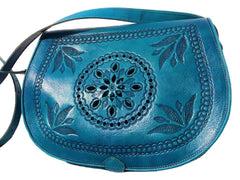
Creation of Marrakesh - Blue Turquoise Leather Shoulder Bag
£91
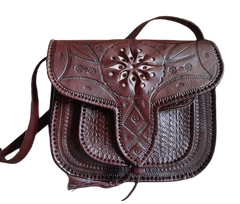
LSSAN Leather Handbag - Brown with Beige Star
£83
LSSAN Handbag - Brown - Palm
£83
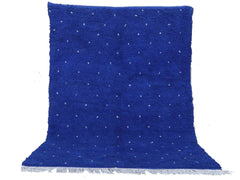
Moroccan White Polka Dot Rug - Blue
£836

Beni Ourain Rug - Uni Creamy White Color
£266
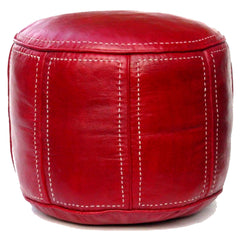
Moroccan Leather Pouf / Ottoman - Round - Red - Aya
£137
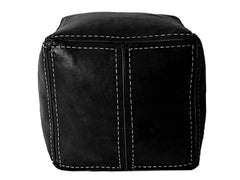
Moroccan Leather Pouf / Ottoman - Square - Black - Aya
£167
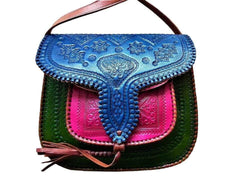
LSSAN Handbag - Color Block Bag - Heart
£91
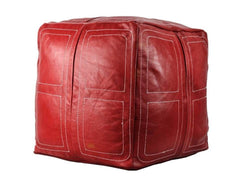
Moroccan Leather Pouf / Ottoman - Red - Chama
£190
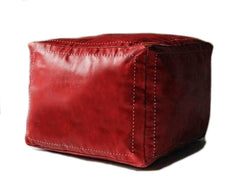
Moroccan Leather Pouf / Ottoman - Square - Red - Salwa
£152
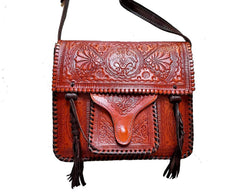
Hippie Leather Shoulder Bag - Orange
£83
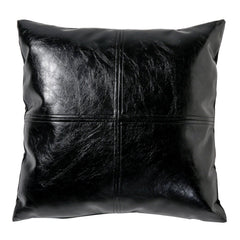
Leather Pillow Cover - 4 Squares - Black
£99