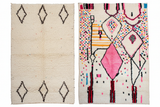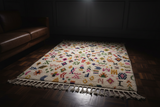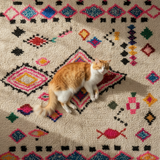

Sabra cushions are among the most distinctive objects in Moroccan craft. Handwoven from cactus silk — a plant-based fibre extracted from the agave — by Amazigh artisans who have inherited this skill across generations, they carry within them a history of landscape, tradition, and female craftsmanship. Their geometric patterns, vibrant natural dyes, and characteristic lustre make them immediately recognisable, and their versatility makes them at home in interiors ranging from the traditional Moroccan salon to the contemporary minimalist living room.
This guide covers everything you need to know about sabra cushions — where they come from, how they are made, what makes them distinctive, how to care for them, and how to style them in your home.

Origin and History of Sabra Cushions
The history of sabra cushions is inseparable from that of the Amazigh (Berber) people of Morocco, where the art of weaving is one of the oldest and most revered craft traditions. The Amazighs are renowned for their mastery of weaving and embroidery — skills passed down from mother to daughter across centuries, encoded in patterns that carry symbolic meaning specific to each tribe and region. These patterns are not purely decorative; they carry symbolic meaning rooted in Amazigh culture.
— Discover the full meaning behind these symbols.
Sabra cushions are the product of this living tradition. They blend ancestral technique with a contemporary aesthetic that has found admirers far beyond Morocco's borders — in the homes of design enthusiasts across Europe, North America, and beyond.
What is Sabra Silk?
Sabra silk — also known as cactus silk or plant silk — is a natural fibre derived from the agave plant, a robust succulent that grows in the arid regions of Morocco, particularly in areas bordering the Sahara. Despite its name, it is not a true silk; it is a plant-based fibre with a distinctive lustre and silky hand that closely resembles silk in appearance and feel.
The production process begins with harvesting the agave leaves, which are then crushed to remove the green pulp and expose the raw fibres within. These fibres undergo retting — a maceration process common to all textile plants including hemp and flax — which separates and softens them. Once extracted, the fibres are washed, dried in the sun, and spun by hand on traditional looms into the lustrous threads that become sabra silk.
The result is a fibre that is soft, strong, slightly elastic, and characterised by a natural moiré sheen. It does not wrinkle easily, takes natural dyes exceptionally well, and becomes softer with age and use.
Natural Dyeing
Before weaving, sabra silk threads are dyed using natural dyes derived from plants, minerals, and other locally sourced elements. Deep madder red comes from the root of the rubia plant. Indigo blue from the dye pits of Fez. Saffron yellow from the crocus fields of Taliouine. The resulting palette — vibrant, warm, and grounded in the Moroccan landscape — is one of the most distinctive qualities of authentic sabra textiles.
The Making Process
The making of a sabra cushion is a multi-stage process carried out entirely by hand, requiring patience, expertise, and a deep familiarity with the material.
Fibre extraction. Agave leaves are harvested and stripped to expose the raw fibres. These are cleaned, rinsed, and dried before spinning.
Spinning. The dried fibres are spun by hand into continuous threads of varying thickness, depending on the intended weave.
Dyeing. Threads are dyed in natural dye baths — madder, indigo, henna, saffron — and dried in the sun to fix the colour. The slight irregularities in tone that result from this process are the mark of genuine natural dyeing.
Weaving. On traditional wooden looms, Amazigh artisans — primarily women — weave the dyed threads into flat-woven textiles. Each pattern is drawn from memory and tradition: diamonds, zigzags, stepped triangles, and abstract geometric forms that encode the symbolic visual language of the weaver's community. No two pieces are identical.
Finishing and embroidery. After weaving, textiles are often adorned with additional hand embroidery — tone-on-tone or in contrasting colours — adding a final layer of detail and complexity.
Assembly. The finished textile is cut and sewn into a cushion cover, typically with a concealed zip closure for easy removal and washing.
The entire process — from agave plant to finished cushion — is artisanal and entirely handmade. Both men and women contribute to different stages of production, though weaving itself remains predominantly a female craft tradition.
Distinctive Characteristics of Sabra Cushions
Material. Cactus silk is the defining material — plant-based, naturally lustrous, slightly elastic, and pleasant to the touch. It has a moiré sheen that catches light differently at every angle, giving sabra cushions a visual depth that synthetic alternatives cannot replicate.
Weave. Sabra cushions are flat-woven — there is no pile. This makes them thinner and lighter than wool cushions, and gives them a structured, graphic quality that suits both traditional and contemporary interiors.
Patterns. Berber geometric motifs — diamonds, zigzags, stepped triangles, lozenges — are the visual language of sabra weaving. These patterns are not purely decorative; they carry symbolic meaning rooted in Amazigh culture, representing protection, fertility, the natural world, and the stories of the women who wove them.
Colour palette. The range extends from deep jewel tones — indigo, madder red, saffron, forest green — to softer naturals: ecru, sand, warm grey, and undyed ivory. All colours in authentic sabra cushions derive from natural dyes.
Durability. Cactus silk is robust. Sabra cushions are designed to last, and their beauty deepens with age as colours mellow and the texture becomes even softer with use.

Sabra cushions are available in two primary formats: the classic square (approximately 45 × 45 cm) and the lumbar (approximately 100 × 50 cm), which works particularly well on beds, benches, and daybeds.

Care Instructions for Sabra Cushions
Sabra cushions are durable, but their natural fibres and hand-applied dyes benefit from gentle care.
Washing. Hand wash in cold water with a mild detergent. Gently agitate without rubbing vigorously to protect the woven patterns. Do not machine wash.
Drying. Lay flat in the shade to dry. Avoid direct sunlight, which can fade natural dyes over time.
Ironing. If needed, iron at a low temperature with a thin cloth between the iron and the cushion to protect the fibres.
Stain treatment. Treat stains immediately with a damp cloth. Avoid chemical stain removers or harsh cleaning solutions, which can damage the cactus silk and alter the natural colours.
Rotation. Rotate the cushion regularly to ensure even wear. Gently pat it occasionally to remove dust and keep the filling airy.
Storage. Store in a dry place away from direct sunlight, ideally in a cotton bag to protect from dust.
How to Style Sabra Cushions in Your Home
Sabra cushions are among the most versatile pieces in Moroccan craft. Their flat-woven structure, graphic patterns, and natural lustre allow them to work across a wide range of interior styles.
As a colour accent. A single sabra cushion in madder red or indigo blue immediately transforms a neutral sofa or armchair. Use it as the starting point for a colour palette rather than as an afterthought.

Mix and match. Sabra cushions reward mixing. Pair different patterns and colours — the contrast between designs creates visual depth and energy. Work in odd numbers (three or five) and let one statement piece lead.

With wooden furniture. The texture and pattern of sabra cushions pair naturally with wood — on a cedar bench, a rattan chair, or a raw oak daybed. The combination of plant-based materials creates a coherent, grounded aesthetic.

In a bohemian interior. Sabra cushions are a natural fit for bohemian decor. Combine them with a Berber rug, a Moroccan lantern, and houseplants for a warm, layered, eclectic space.

In the bedroom. Place sabra cushions on the bed as decorative layers, or on an accent chair as part of a reading nook. Their flat-woven structure makes them particularly suited to layering without bulk.

In outdoor spaces. Sabra cushions can be used outdoors on a terrace or garden bench. Bring them inside after use and keep them away from prolonged moisture exposure.

Frequently Asked Questions
What is sabra silk made from?
Sabra silk is a plant-based fibre extracted from the agave plant — a succulent that grows in the arid regions of Morocco. Despite being called silk, it is not an animal fibre; it is entirely plant-based, making it a vegan alternative to conventional silk with a similar lustre and hand.
Is sabra silk sustainable?
Yes. Agave is a drought-resistant plant that requires no irrigation and grows naturally in Morocco's arid regions. The fibre extraction process is entirely manual and chemical-free. Natural dyes derived from plants and minerals replace synthetic alternatives. Sabra silk production is one of the most environmentally low-impact textile traditions in the world.
How does sabra silk feel to the touch?
Sabra silk has a smooth, slightly cool hand with a natural silkiness. It is lighter and less dense than wool, and its flat-woven structure gives it a structured feel. The texture becomes softer with washing and use over time.
Can sabra cushions be machine washed?
No — hand washing in cold water with a mild detergent is recommended. Machine washing can damage the natural fibres and cause the natural dyes to bleed unevenly. Always air dry flat in the shade.
Will the colours fade over time?
Natural dyes mellow gradually with light exposure — this is a characteristic of authentic plant-based dyeing, not a defect. Avoid prolonged direct sunlight exposure and the colours will remain vibrant for many years. The mellowing of natural dyes over time is considered part of the beauty of authentic sabra textiles.
What interior styles work best with sabra cushions?
Sabra cushions are exceptionally versatile. They work in traditional Moroccan interiors, bohemian spaces, Scandinavian minimalist rooms, and contemporary interiors alike. Their graphic geometric patterns and natural lustre complement both warm and neutral palettes.
What is the difference between sabra silk and Handira cushions?
Both are Moroccan handwoven textiles, but they are distinct traditions. Sabra cushions are flat-woven from plant-based cactus silk fibres. Handira cushions are woven from wool and adorned with hand-sewn metallic sequins — they originate from the Middle Atlas wedding blanket tradition. Sabra is lighter and more graphic; Handira is warmer and more textural.
At Moroccan Corridor, our sabra silk cushion covers are sourced directly from Amazigh artisan workshops in Morocco — handwoven on traditional looms, dyed with natural pigments, and finished by hand. Each piece is unique.